Research
Postdoctoral work
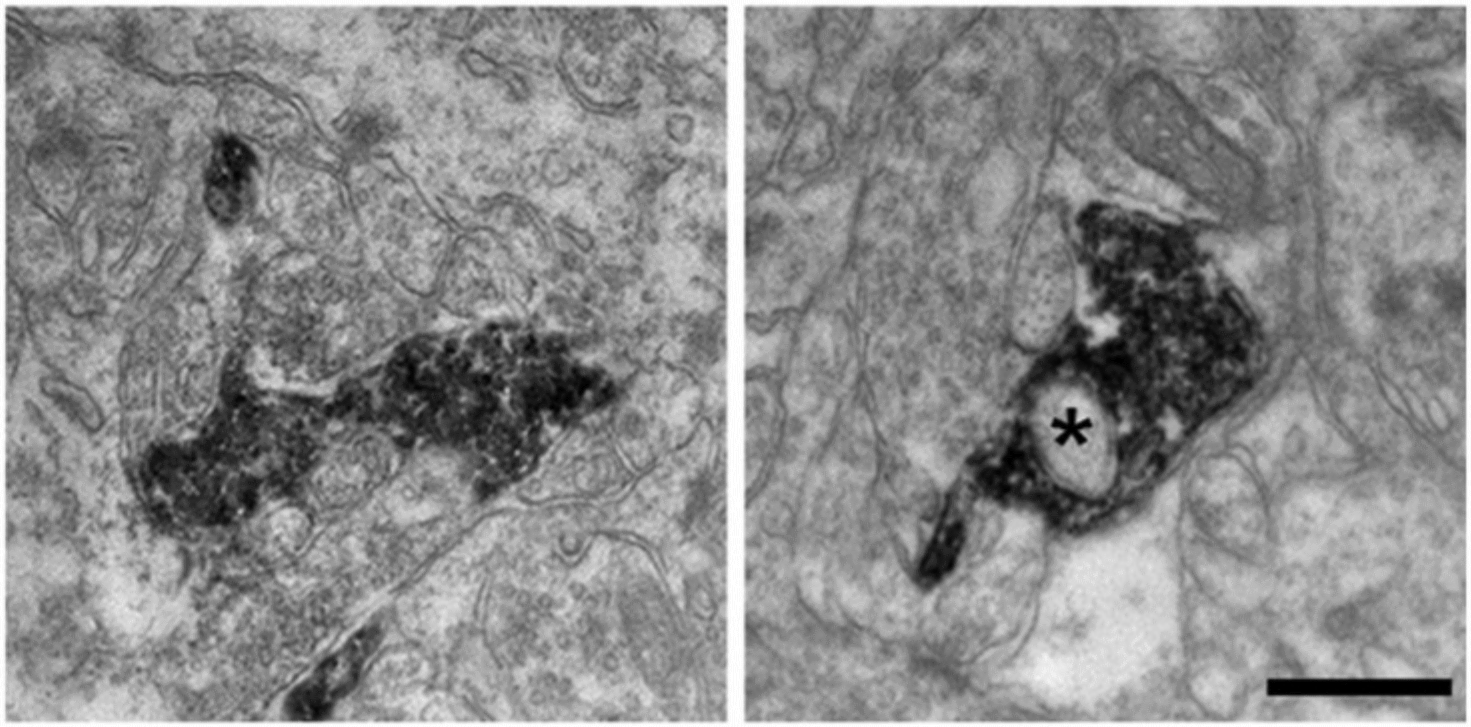
Natural variation in social play
In my postdoctoral work I am taking a comparative approach to the neural basis of play. Play is one of the first highly coordinated social behaviors to emerge in development, and it shapes our adult lives in profound ways. Yet it remains one of the least studied social behaviors! What neural mechanisms drive differences in play across species? I very much hope to find out.
Deer mice are an excellent model for answering this question. Closely related deer mouse species differ strikingly in their behavior, and this evolutionary variation serves as a natural experiment for uncovering how play works.
Graduate work
Social neuroplasticity
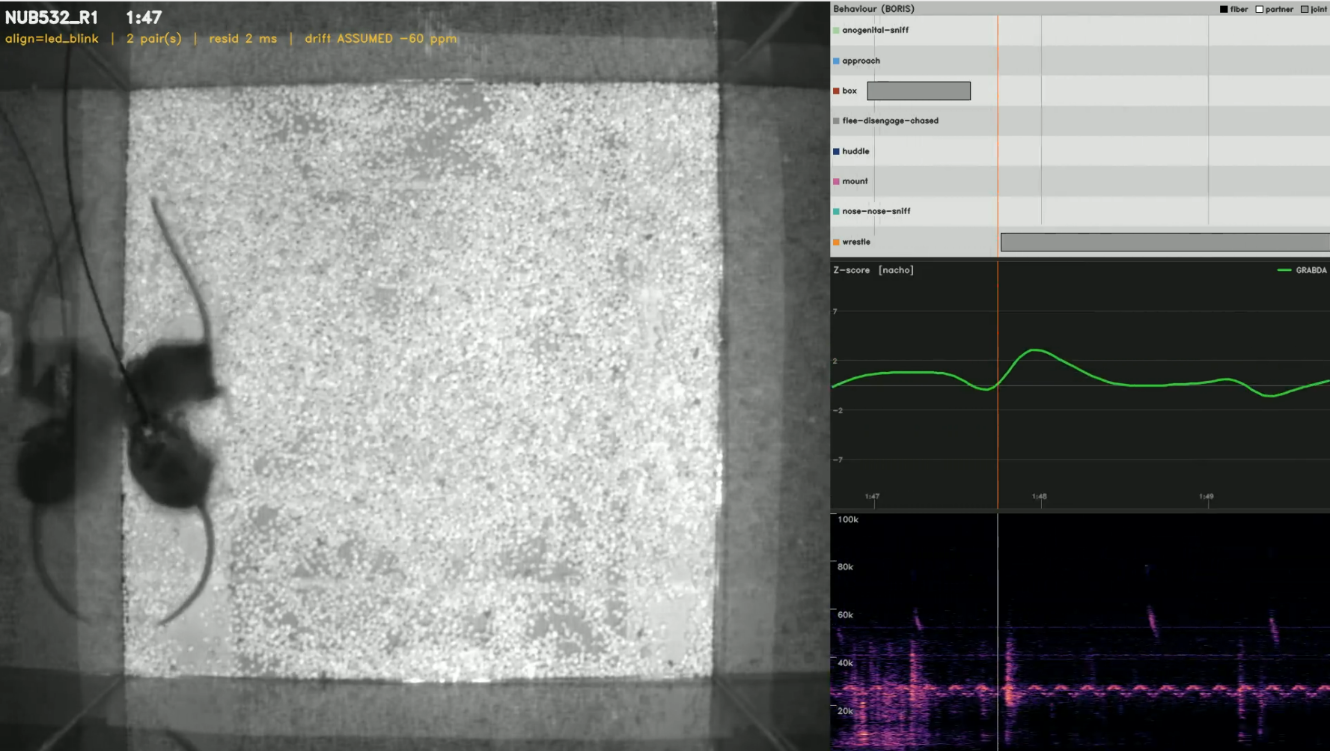
My PhD work focused on California mouse communication and cooperative behavior. Mating pairs of this species form strong affiliative bonds and coordinate with one another in the wild to procure resources, maintain territory, and defend young. However, little is known about how the formation of an affiliative relationship results in this cooperation. I conducted behavioral assays in conjunction with neuropeptide manipulations and cellular/molecular analyses in order to inform this question.
My projects included investigating the impact of adult hippocampal neurogenesis on behavioral responses to social stimuli and exploring the role of intranasal oxytocin and the nucleus accumbens on social conditioned place preference formation.
Earlier work
Glia and cognition
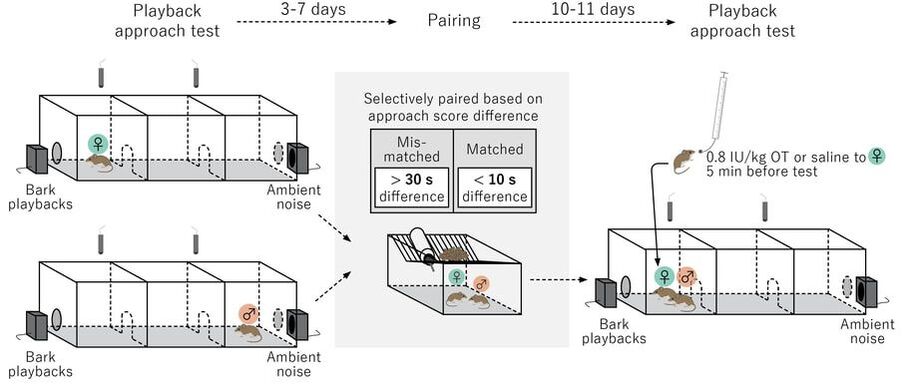
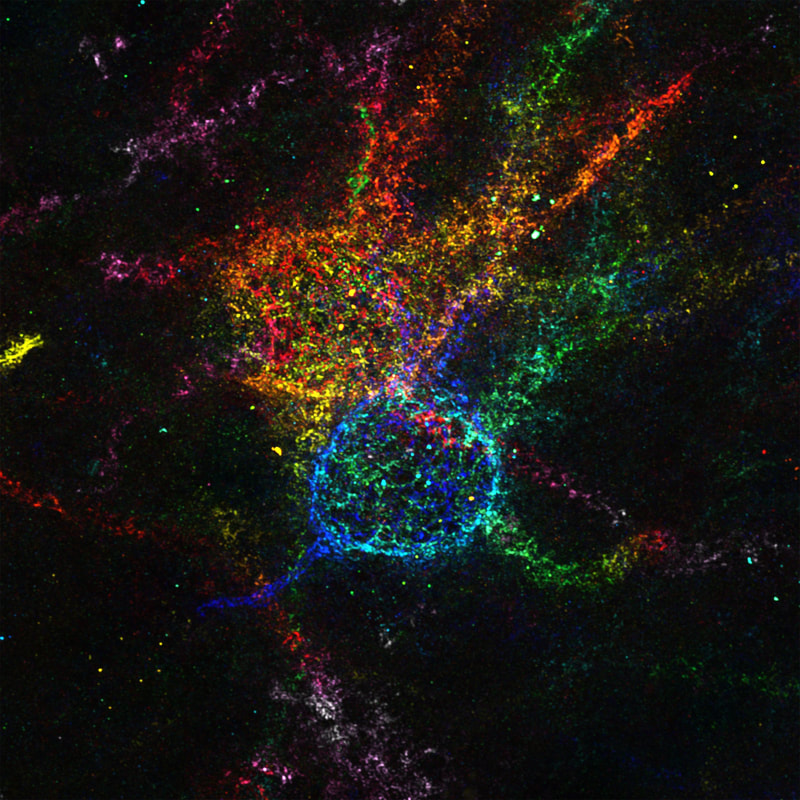
Glia are non-neuronal cells in the brain that are conventionally considered housekeepers, maintaining a healthy environment for neurons to function properly. However, recent evidence suggests they play a more active role in cognition. I worked with the Gould Lab at Princeton University to assess the enhanced cognitive flexibility of rats for which astrocytic calcium signaling was virally manipulated. I also used transmission electron microscopy to image synapse pruning by microglia in mice with obesity-associated cognitive decline. This work underscores glia as promising therapeutic targets in the treatment of cognitive disorders.